
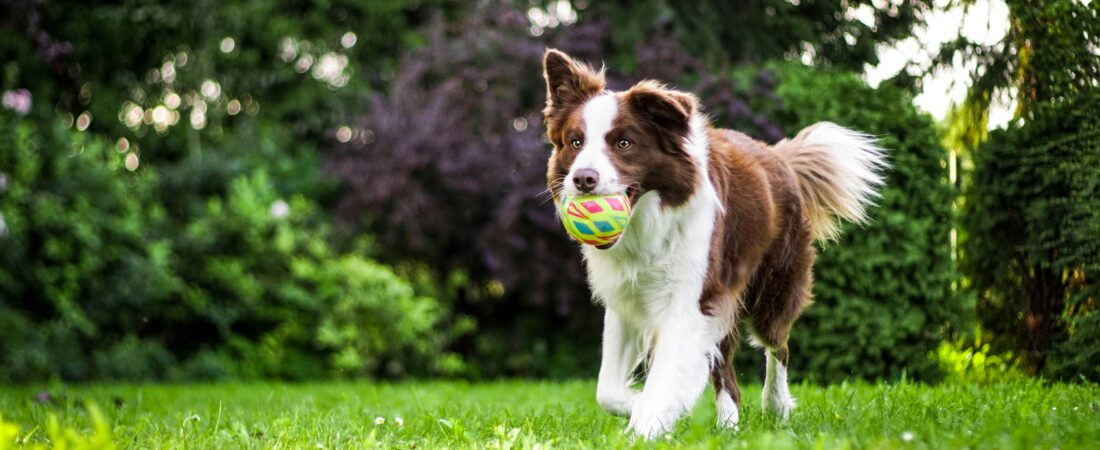
Dog training is essential for providing mental stimulation, building confidence, and fostering a strong human-dog relationship. While professional trainers can be helpful, training your dog independently is entirely possible and often strengthens the bond between you and your pet.
The most effective method for home training is positive reinforcement. By understanding your dog’s history, starting with basic commands, setting realistic goals, and incorporating games, you can create a successful training routine at any age.
Can You Train a Dog Without a Professional Trainer?
Yes. While bringing in a professional can simplify the process, independent training helps you develop better communication and trust with your dog. Dogs are always learning, so whether you have an energetic puppy or an older adopted dog, it is best to begin training as soon as they enter your home.
Training on your own requires patience and research, but the rewards—a well-behaved, confident dog and a deeper connection—are well worth the effort.
Essential Tips for Training Your Dog at Home
1. Know Your Dog’s History
Your success depends on understanding your dog’s background. Was your dog abandoned, previously harassed, or raised in a stable environment? Knowing their temperament and past experiences allows you to tailor a training program that suits their personality and avoids triggering fear or anxiety.
2. Start With Basic Commands
Begin in a low-stress environment with foundational cues such as:
- Come
- Sit
- Stay
- Drop it
- Speak
- Back up
Once your dog reliably follows these commands, gradually introduce new ones and practice in different environments. This foundation establishes trust and prepares your dog for more complex skills.
3. Discover Opportunities in Daily Life
Consistency is critical, but you don’t need long, formal sessions. Use everyday moments—waiting at doors, meal times, walks—to reinforce cues. Integrating training into your routine makes it sustainable even when time is limited.
4. Set Small, Achievable Goals
Don’t expect your dog to master complicated tricks immediately. Focus on practical behaviors that help your dog navigate different environments safely and calmly. Progress is incremental; celebrate small wins.
5. Use Games for Mental & Physical Exercise
Dogs learn fastest when they are happy. Incorporate games like fetch, tug-of-war, and hide-and-seek to provide both physical exercise and mental enrichment.
💡 Fun Fact: Dogs have over 200 million smell-detecting cells. Hide-and-seek games are excellent for developing their natural scenting abilities while reinforcing recall and focus.
Effective Training Tools & Methods
Positive Reinforcement
Positive reinforcement is universally recognized as the most humane and effective training method. Reward desired behaviors immediately with treats, praise, or play. Avoid punishment, harsh discipline, or dominance-based techniques, as these can cause fear, aggression, and long-term behavioral problems.
Clicker Training
A clicker is a handheld tool that makes a distinct clicking sound to mark the exact moment your dog performs the desired behavior. When paired consistently with a reward, it accelerates learning by providing clear, instant feedback.
High-Value Treats
Use treats your dog finds highly motivating. Opt for small, soft, single-ingredient treats (such as freeze-dried chicken) that can be consumed quickly without breaking focus. Nutritious chews like bully sticks can also serve as high-value rewards for longer training sessions.
Dog Breeds That Are Easier to Train at Home
While all dogs can learn, some breeds are naturally more responsive to independent training due to their intelligence, work ethic, or food motivation:
- Border Collie: Exceptionally intelligent and eager to work; excels in agility and obedience with adequate mental and physical stimulation.
- Labrador Retriever: Highly social, food-motivated, and eager to please; one of the most beginner-friendly breeds. Monitor treat intake to prevent weight gain.
- German Shepherd: Naturally inclined to follow commands with strong work ethic and endurance; responds well to structured, consistent training.
- Doberman: Intuitive, loyal, and responsive to verbal commands and visual cues; requires a confident, consistent leader and early socialization.
Note: Breeds such as Beagles, Basset Hounds, Chow Chows, Pit Bulls, and Pomeranians are often considered more challenging to train due to independent temperaments or strong prey drives. This does not mean they cannot be trained—it simply requires more patience, specialized techniques, and consistency.
Why Is Dog Training Important?
- Mental Stimulation: Cognitive engagement prevents boredom and destructive behaviors caused by pent-up energy.
- Confidence Building: Mastering new skills gives dogs a sense of accomplishment, reducing anxiety and fear.
- Safety: Reliable recall and impulse control protect your dog from hazardous situations (traffic, toxic substances, aggressive animals).
- Bond Enhancement: Shared learning experiences deepen trust and mutual understanding between you and your dog.
Advanced Tricks (After Mastering Basics)
Once foundational commands are solid, you can teach advanced tricks such as spin, wave, play dead, cover eyes, hug, or close doors. These require chaining multiple basic behaviors together and demand significant patience. Never rush this stage; advanced skills build upon a rock-solid foundation.
⚠️ Critical Reminder: Avoid Punishment
Harsh discipline, yelling, physical correction, or asserting “dominance” are ineffective and harmful. These methods suppress behavior temporarily while increasing fear, anxiety, and aggression. Positive reinforcement builds willing cooperation; punishment breeds avoidance and distrust.
The Bottom Line
You absolutely can train your dog on your own. Start early, keep sessions short and positive, practice daily, and be patient. Your dog wants to succeed—they just need clear, kind guidance.
Set aside dedicated time each day, master one skill before moving to the next, and remember that training is as challenging for your dog as it is for you. Be generous with rewards, celebrate progress, and trust the process. The lifetime of companionship and mutual understanding you’ll gain is worth every moment of effort.
Disclaimer: This article is for informational purposes only and does not replace professional veterinary or behavioral advice. If your dog displays aggression, severe anxiety, or other concerning behaviors, consult a certified professional dog trainer or veterinary behaviorist. Every dog is unique; adjust methods to suit your individual dog’s needs and temperament.